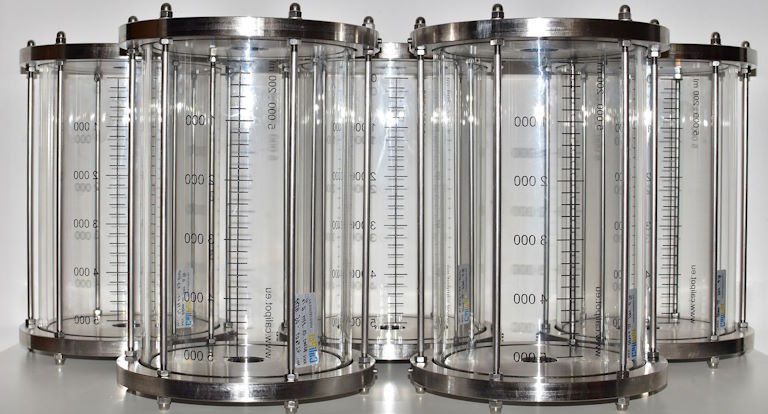
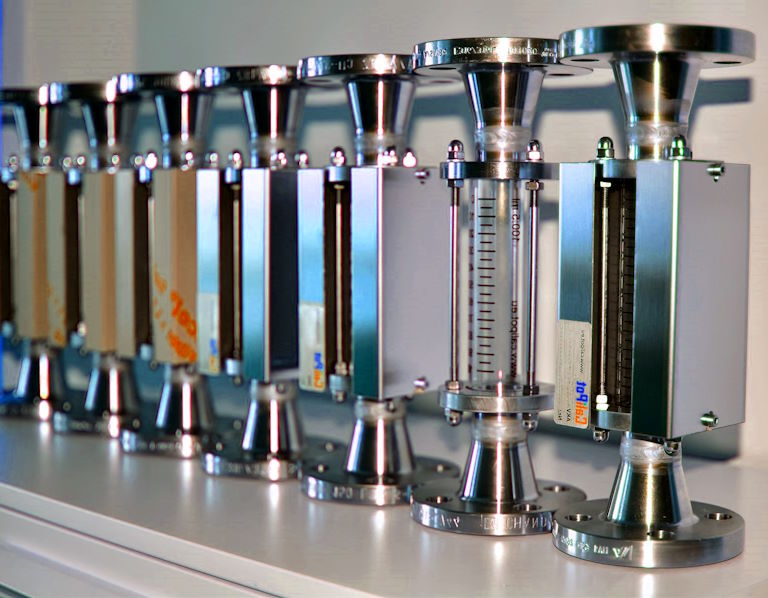
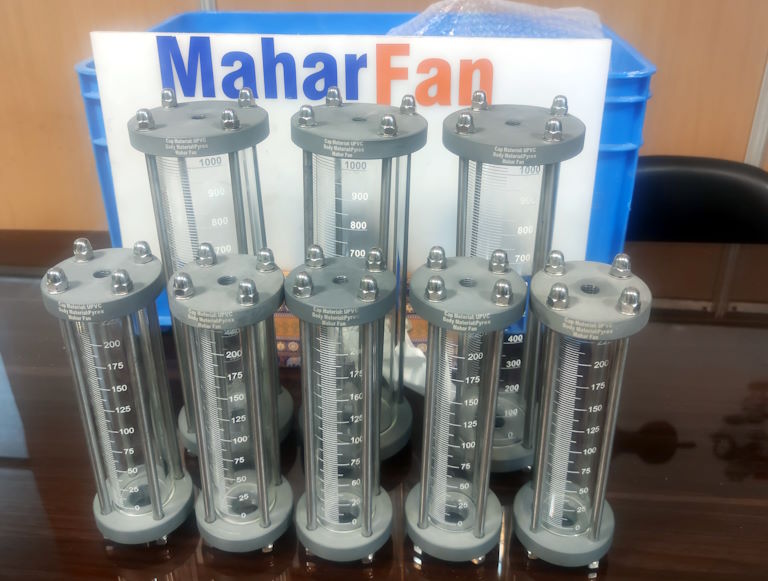
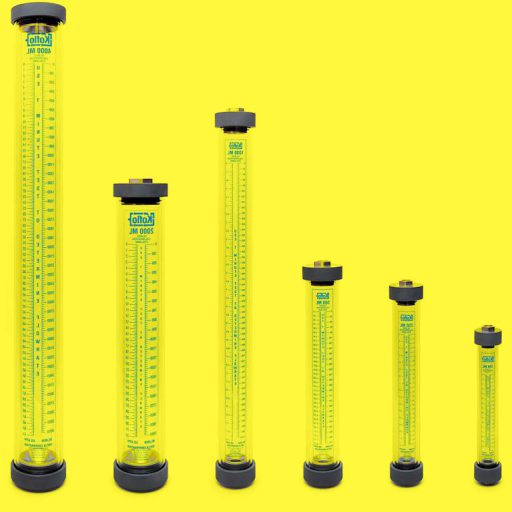
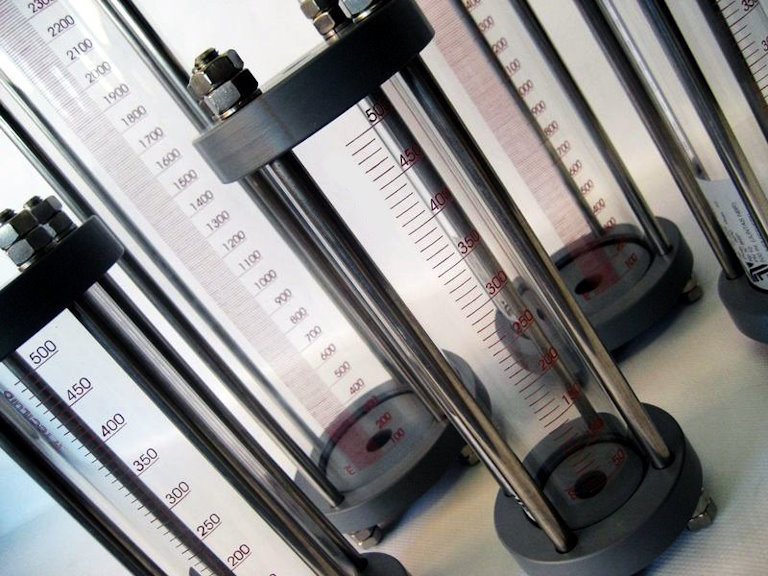
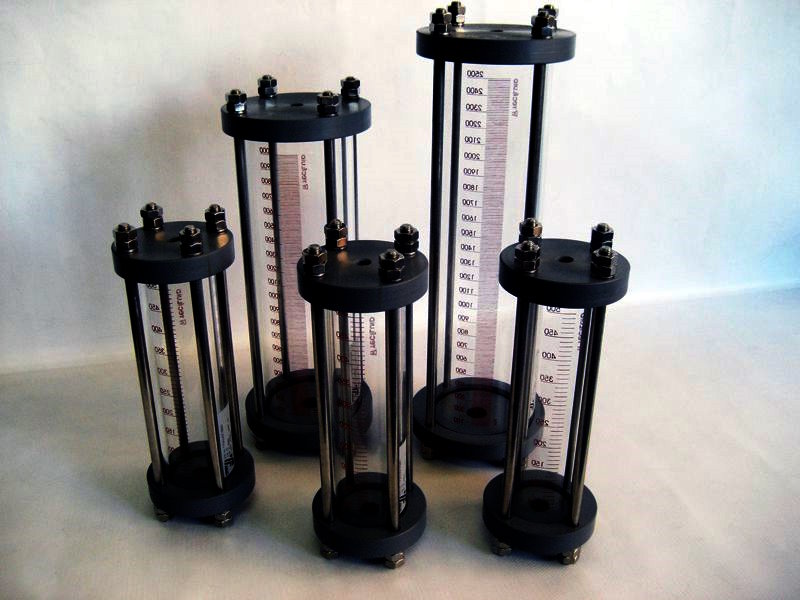
Readable part material

Introduction
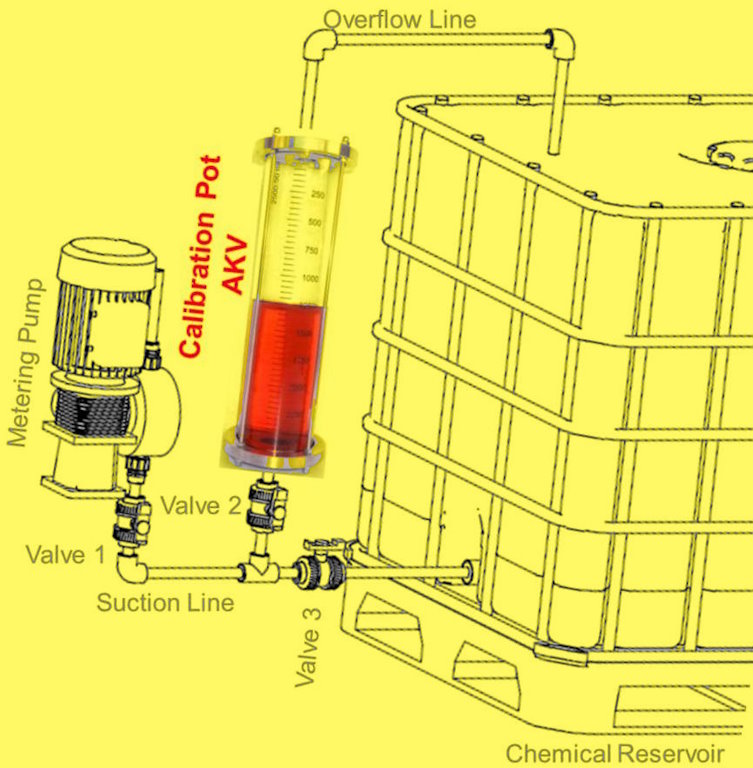
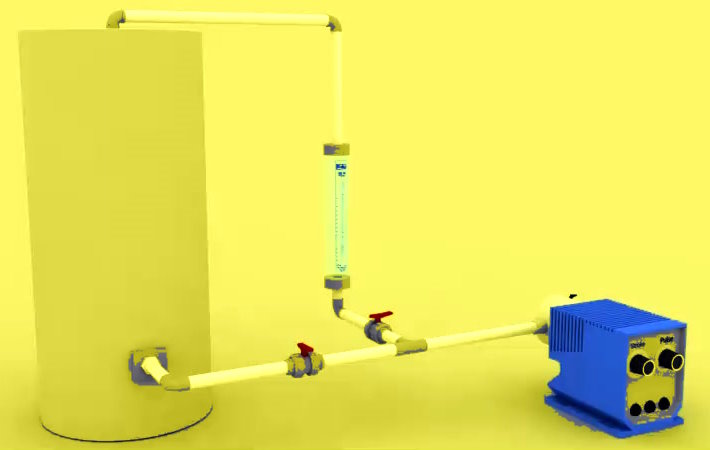
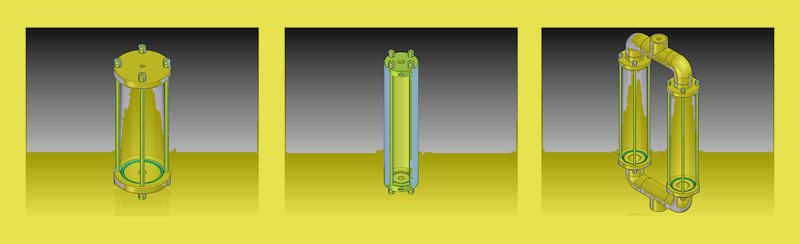
Calibration cylinders are a vital tool in various industries including oil and gas, chemical, food and pharmaceutical. These cylinders are used as a precision instrument for calibrating and measuring the flow and volume of liquids and gases. Choosing the right material for the construction of a calibration cylinder is very important to ensure optimal performance and high accuracy. In this article, we have reviewed the types of materials used in the construction of calibration cylinders, their characteristics, applications and advantages.
Materials used in the manufacture of calibration cylinders
Stainless Steel
Stainless steel is one of the most popular materials for making calibration cylinders. It has the following properties:
- High corrosion resistance : Stainless steel has very high corrosion resistance and is therefore suitable for corrosive environments.
- Durability and mechanical strength : Stainless steel has high durability and strength, which helps increase the useful life of the cylinder.
- Hygiene and cleanliness : This material is easy to clean due to its smooth and shiny surface and is suitable for hygienic applications.
Borosilicate Glass
Borosilicate glass is another material used in the manufacture of calibration cylinders. This material has the following properties:
- Resistance to temperature changes : Borosilicate glass has high resistance to temperature changes and is suitable for applications with variable temperatures.
- Transparency : This material has high transparency, which allows for accurate observation of the volume of liquids and gases.
- Resistance to chemical corrosion : Borosilicate glass has high resistance to various chemicals.
Polycarbonate
Polycarbonate is a thermoplastic polymer that is used to make calibration cylinders due to its unique properties. This material has the following characteristics:
- High impact resistance : Polycarbonate has high impact resistance and is suitable for applications that require mechanical strength.
- Lightness : This material is lighter than metal materials and is easier to install and transport.
- Transparency : Polycarbonate has high transparency, which allows for accurate observation of the volume of liquids and gases.
Teflon
Teflon is a fluoroplastic polymer that is used to make calibration cylinders due to its unique properties. This material has the following characteristics:
- High resistance to chemicals : Teflon has very high resistance to various chemicals and is suitable for applications with strong chemicals.
- Anti-sticking : This material has anti-sticking properties that prevent materials from sticking to the cylinder surface.
- High temperature resistance : Teflon has high resistance to high and low temperatures and is suitable for applications with variable temperatures.
Calibration cylinder applications
Oil and gas industries
Calibration cylinders are widely used in the oil and gas industries to calibrate and accurately measure the volume and flow of crude oil, liquefied gases, and chemicals. These cylinders help improve the accuracy and efficiency of oil and gas extraction and production processes.
Specific applications in the oil and gas industries
- Drilling Equipment Calibration : Accurate measurement of volume and flow of material in drilling equipment
- Refining equipment calibration : Accurate measurement of oil and gas volume and flow in refining equipment
- Chemical injection calibration : Accurate measurement of the volume of chemicals injected into oil and gas wells
Chemical industry
Calibration cylinders are used in the chemical industry as a vital tool for calibrating and accurately measuring the volume and flow of chemicals and solutions. These cylinders help improve the accuracy and efficiency of chemical manufacturing processes.
Specific applications in the chemical industry
- Reactor calibration : Accurate measurement of volume and flow of materials in chemical reactors
- Storage tank calibration : Accurate measurement of volume and flow of materials in storage tanks
- Calibration of purification equipment : Accurate measurement of volume and flow of materials in purification and treatment equipment
Food industry
Calibration cylinders also have a wide range of applications in the food industry. These cylinders are used to calibrate and accurately measure the volume and flow of food and beverages, helping to improve the quality of the final products.
Specific applications in the food industry
- Production line calibration : Accurate measurement of volume and flow of liquid food in production lines
- Packaging Equipment Calibration : Accurate measurement of food volume and flow in packaging equipment
- Additive Equipment Calibration : Accurate measurement of additive volume and flow in food production processes
Pharmaceutical industries
Calibration cylinders are used in the pharmaceutical industry as a vital tool for calibrating and accurately measuring the volume and flow of pharmaceutical materials and solutions. These cylinders help improve the accuracy and efficiency of drug manufacturing processes.
Specific applications in the pharmaceutical industry
- Calibration of storage tanks : Accurate measurement of the volume and flow of pharmaceutical materials in storage tanks
- Calibration of production lines : Accurate measurement of volume and flow of pharmaceutical solutions in production lines
- Packaging equipment calibration : Accurate measurement of volume and flow of pharmaceutical materials in packaging equipment
Advantages of calibration cylinders
High accuracy
Due to its special design and use of high-quality materials, the calibration cylinder has high accuracy in measuring the volume and flow of liquids and gases. This feature helps improve the accuracy and efficiency of various processes.
Corrosion and chemical resistance
The materials used in the construction of the calibration cylinder have high resistance to corrosion and chemicals. This feature helps to increase the useful life of the cylinder and reduce the need for repairs and maintenance.
Strength and durability
The calibration cylinder is made of high-quality materials and is highly durable, able to withstand high pressures and temperatures. This feature helps improve the efficiency and productivity of the cylinder.
Easy installation and maintenance
The calibration cylinder is easy to install and maintain due to its simple design and use of high-quality materials. This feature helps reduce operating costs and increase uptime.
Reducing operating costs
The use of a calibration cylinder helps reduce operating costs and improves the efficiency of systems due to its high measurement accuracy and reduced need for repairs and maintenance.
Conclusion
Calibration cylinders, as one of the vital tools in various industries, play a very important role in calibrating and accurately measuring the volume and flow of liquids and gases. Choosing the right materials for making calibration cylinders helps improve the efficiency and productivity of systems and reduce operating costs. By choosing and using the calibration cylinder correctly, you can help improve the accuracy and efficiency of production processes and preserve financial resources and the environment.