Calibration cylinders are a vital tool in various industries used to accurately measure the volume of liquids and gases. This tool is especially used in the calibration of pumps and fluid transfer equipment.
Choosing the right material for making a calibration cylinder is of great importance. One of the best materials for making these cylinders is polyethylene. In this article, we have examined the features, advantages, and applications of a calibration cylinder made of polyethylene material.
What is a calibration cylinder?
Definition and function
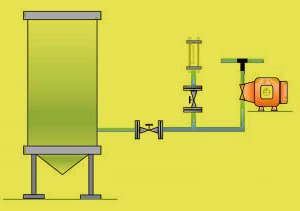
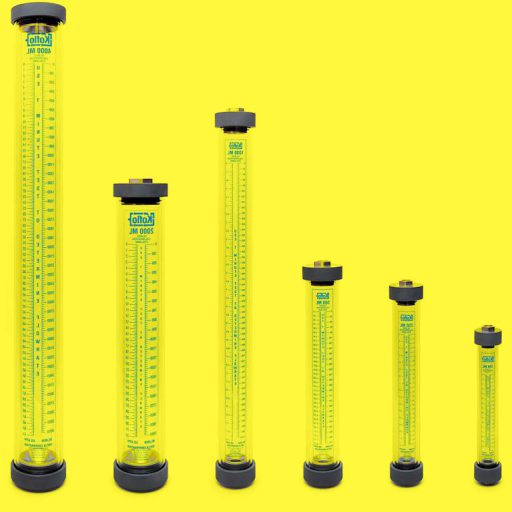
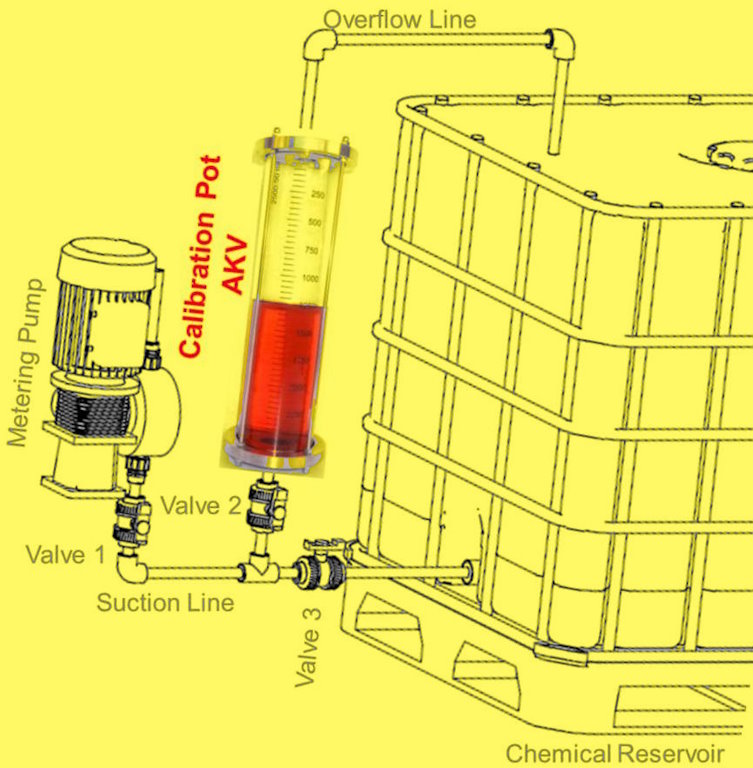
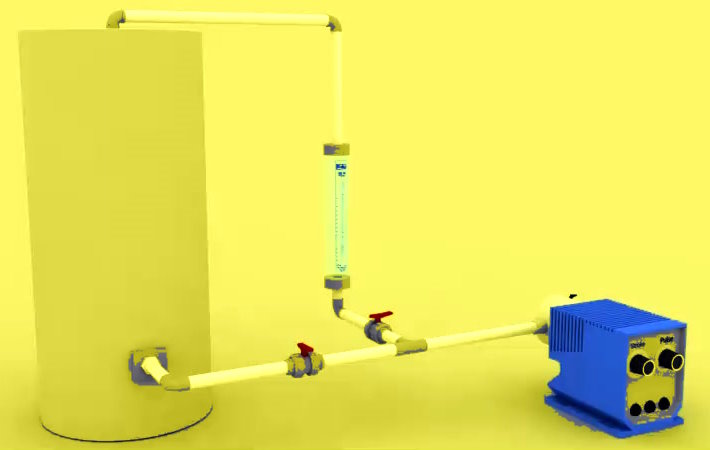
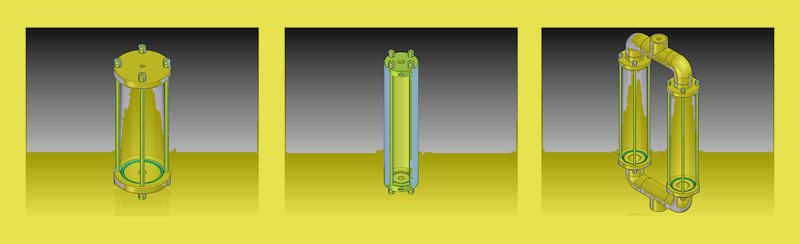
A calibration cylinder is a precision measuring instrument used for calibrating pumps and fluid transfer equipment. The cylinder typically consists of a transparent chamber with volumetric graduations that allow operators to measure the volume of liquids with high accuracy.
Main components
- Transparent compartment : The part where liquids are stored and has volumetric graduations.
- Graduations : Markings used to measure the volume of liquids.
- Caps and Fittings : Parts that connect to the container to allow liquids to enter and exit.
What is polyethylene?
Definition and characteristics
Polyethylene is a thermoplastic polymer produced by the polymerization of ethylene. It is widely used in various industries due to its excellent physical and chemical properties. Polyethylene is available in various types such as high-density polyethylene (HDPE), low-density polyethylene (LDPE), and linear low-density polyethylene (LLDPE).
Main properties of polyethylene
- High chemical resistance : Polyethylene is resistant to acids, bases, and various chemical solvents.
- Corrosion resistance : Polyethylene has high resistance to corrosion and rust.
- Suitable temperature resistance : Polyethylene can perform well at different temperatures and maintain its mechanical properties.
- Dimensional stability : Polyethylene has high dimensional stability and is resistant to changes in temperature and pressure.
- Lightness : Polyethylene is lightweight and easily portable.
Advantages of using a calibration cylinder with polyethylene material
High accuracy
The use of polyethylene in the manufacture of calibration cylinders contributes to high measurement accuracy due to its high dimensional stability and resistance to temperature changes. This high accuracy helps improve the efficiency and quality of calibration processes.
Chemical and corrosion resistance
One of the main advantages of using polyethylene in the manufacture of calibration cylinders is its high resistance to chemicals and corrosion. This property allows the cylinders to perform well in corrosive environments and with various chemicals.
Long lifespan
Calibration cylinders made of polyethylene material have a long service life. Resistance to corrosion and chemicals allows these cylinders to operate for a long time without the need for frequent repairs.
Lightness and ease of transportation
Polyethylene, due to its light weight, allows calibration cylinders to be easily transported. This feature contributes to ease of use and improved efficiency.
Ease of maintenance and cleaning
Calibration cylinders made of polyethylene material are easy to maintain and clean. Their resistance to chemicals and corrosion allows them to be cleaned without the need for harsh chemicals.
Applications of calibration cylinders with polyethylene material
Chemical industry
In the chemical industry, calibration cylinders made of polyethylene material are used to accurately measure the volume of various chemicals. The high chemical resistance and measurement accuracy of these cylinders help improve the efficiency and quality of chemical processes.
Pharmaceutical industries
In the pharmaceutical industry, polyethylene calibration cylinders are used to accurately measure the volume of pharmaceuticals and solutions. High accuracy and resistance to chemicals help improve the quality and safety of pharmaceutical products.
Food and beverage industry
In the food and beverage industry, polyethylene calibration cylinders are used to accurately measure the volume of food and beverages. Their chemical resistance and light weight help improve the efficiency and quality of food products.
Oil and gas industries
In the oil and gas industry, polyethylene calibration cylinders are used to accurately measure the volume of oil and gas materials. Their resistance to corrosion and chemicals helps improve the efficiency of oil and gas processes.

Water and wastewater industries
In the water and wastewater industries, polyethylene calibration cylinders are used to accurately measure the volume of water and wastewater. Resistance to chemicals and corrosion helps improve the efficiency of treatment processes and reduce environmental pollution.
Paint and coating industries
In the paint and coating industries, calibration cylinders made of polyethylene material are used to accurately measure the volume of paints and coating solutions. High accuracy and chemical resistance help improve the quality and uniformity of products.
Important points in maintaining and using calibration cylinders made of polyethylene material
Regular cleaning
Regular cleaning of polyethylene calibration cylinders helps improve their performance and durability. This process involves cleaning the components of debris and deposits.
Periodic inspections
Periodic inspections of calibration cylinders help identify potential problems and defects. These inspections include checking the physical condition of components and measurement accuracy.
Use appropriate chemicals
Using appropriate chemicals to clean and maintain polyethylene calibration cylinders helps maintain their quality and performance. Harsh chemicals that may damage the polyethylene material should be avoided.
Proper storage
Proper storage of polyethylene calibration cylinders helps extend their useful life and reduce the risk of physical damage. These cylinders should be stored in a cool, dry place away from direct sunlight.
Conclusion
Calibration cylinders made of polyethylene material are widely used in various industries including chemical, pharmaceutical, food and beverage, oil and gas, water and wastewater, and paint and coating due to their exceptional properties such as high chemical resistance, corrosion resistance, high accuracy, and long service life.
These cylinders help improve the efficiency, quality and safety of processes and products. By properly maintaining and using polyethylene calibration cylinders, you can maximize the useful life and performance of this equipment and prevent problems caused by inaccurate measurements.